
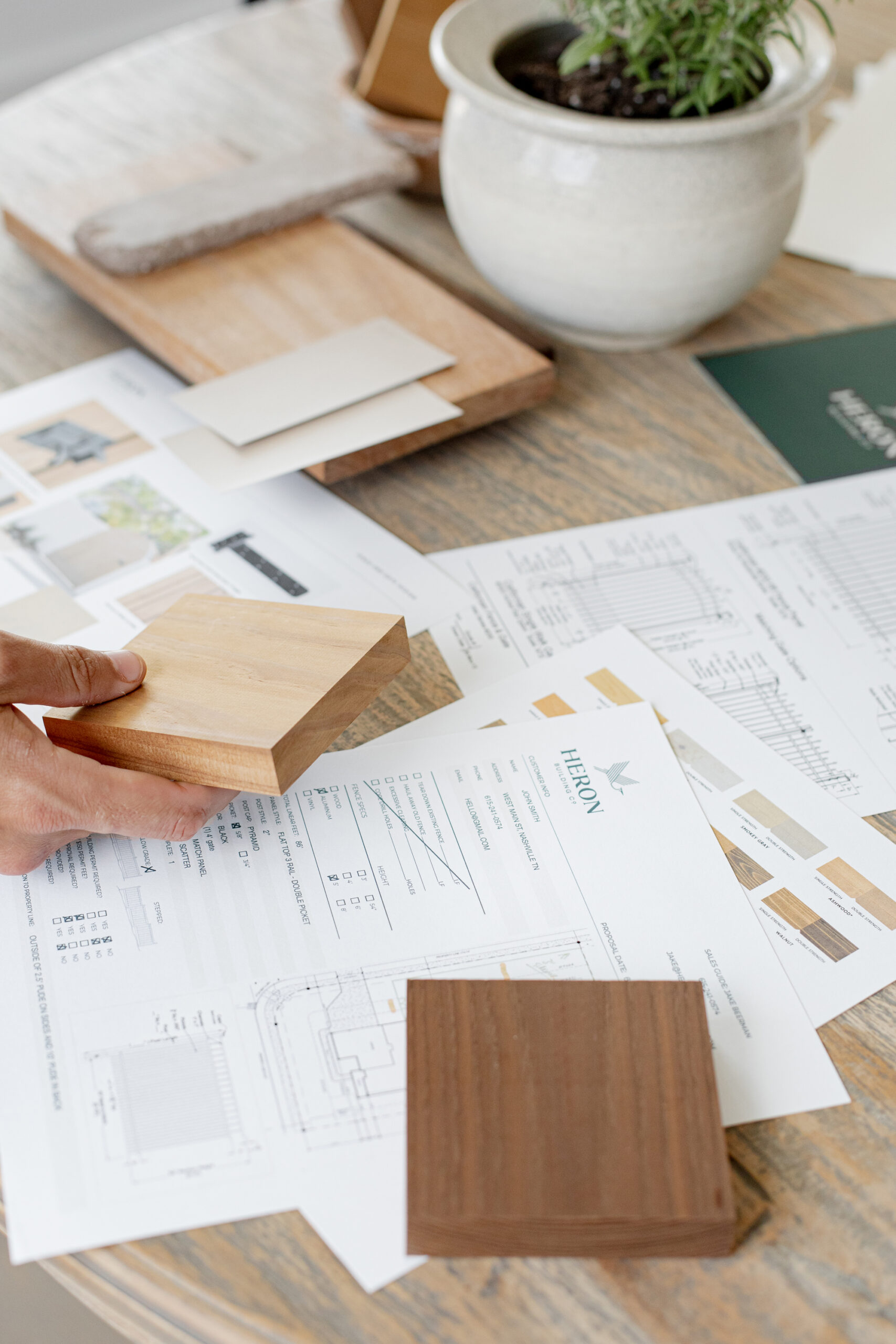

Wood fences are one of the most popular and versatile fencing options for homes throughout Middle Tennessee. Whether you’re looking for privacy, security, or a timeless design that blends into the landscape, a well-built wood fence can do it all.
If you’re researching wood fences in Nashville or wood fences in Franklin, this guide is designed to give you clear, honest, and practical information—without the fluff. We’ll walk through wood types, construction methods, fence styles, gates, staining, and the full installation process so you know exactly what goes into a quality fence and what to look for in a wood fence company.
Our goal is simple: educate you, set clear expectations, and help you make confident decisions.
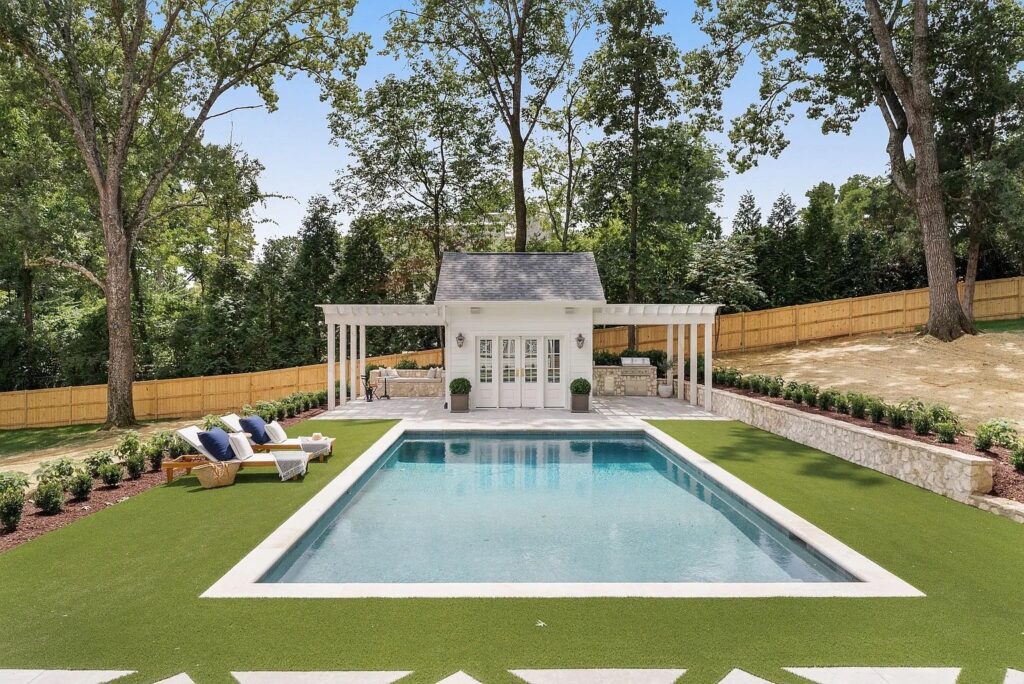
Why Wood Fences Are So Popular in Nashville & Franklin
Wood fences continue to be a top choice for homeowners across Nashville, Franklin, and Brentwood for a few key reasons:
- They offer excellent privacy and security
- They’re highly customizable
- They work with both traditional and modern homes
- They can be repaired, modified, or expanded over time
Unlike vinyl or aluminum, wood fences feel natural and warm. They age with your property and can be tailored to match your home’s architecture and your lifestyle.
As a local Franklin fence company, we see wood fences chosen most often for:
- Backyard privacy
- Pet and child safety
- Pool enclosures
- Property boundary definition
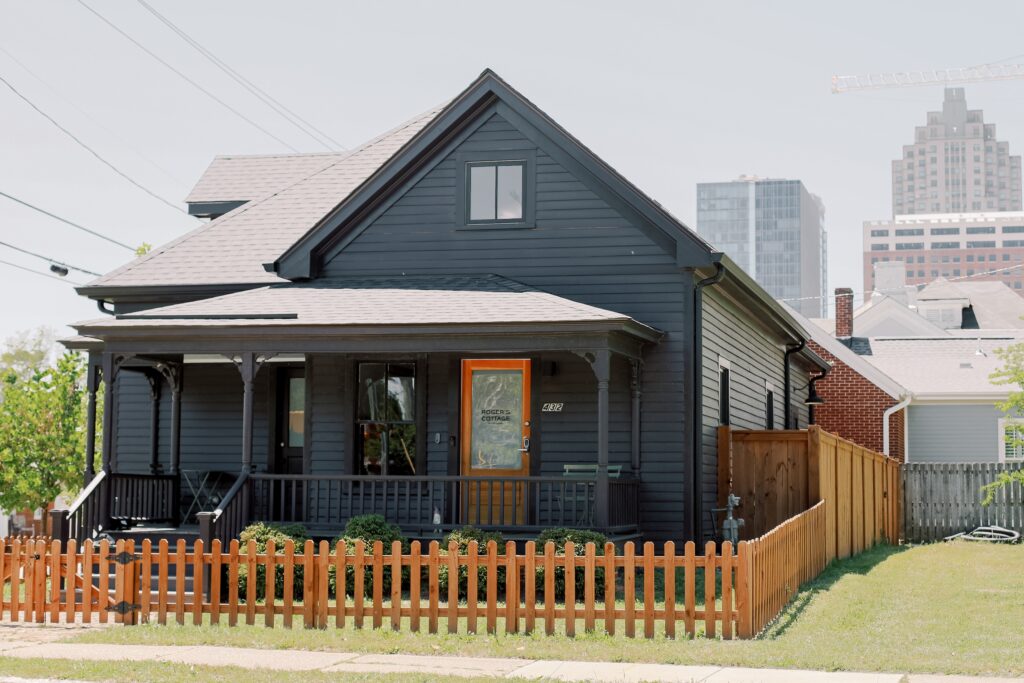
- Decorative farm-style fencing
Cedar & Pine: Primary Wood Types for Wood Fences
When it comes to residential wood fences, there are two primary materials used throughout Middle Tennessee: pressure-treated pine and cedar. Each has its place, and the right choice depends on your goals, budget, and long-term expectations.
#2-Grade Pressure-Treated Southern Pine
Pressure-treated pine is the most commonly used fencing material in our region—and for good reason.
Key benefits of pressure-treated pine:
- Strong and structurally reliable
- Treated to resist rot, insects, and decay
- More budget-friendly than cedar
- Suitable for all common fence styles
Pressure-treated pine starts with a higher moisture content. Because of that, it needs time to dry before staining or sealing. We typically recommend waiting 4–6 weeks after installation before applying any stain or sealer.
Pine is a great option if you want a solid, long-lasting fence at a lower upfront cost while still having the flexibility to customize style and layout.
Cedar Wood Fences
Cedar is considered a premium fencing material and is often chosen for higher-end homes and design-forward projects.
Why homeowners choose cedar:
- Naturally resists rot, decay, and insects
- Lower moisture content than pine
- Stays straighter and ages more evenly
- Rich, warm color and natural beauty
- Requires less maintenance over time
Cedar fences offer excellent longevity without chemical treatment. They’re a great choice if you want a refined look, long-term performance, and a fence that holds its shape and appearance beautifully.
How We Build Wood Fences (Construction Matters)
Not all wood fences are built the same—and construction quality is where the biggest differences show up over time.
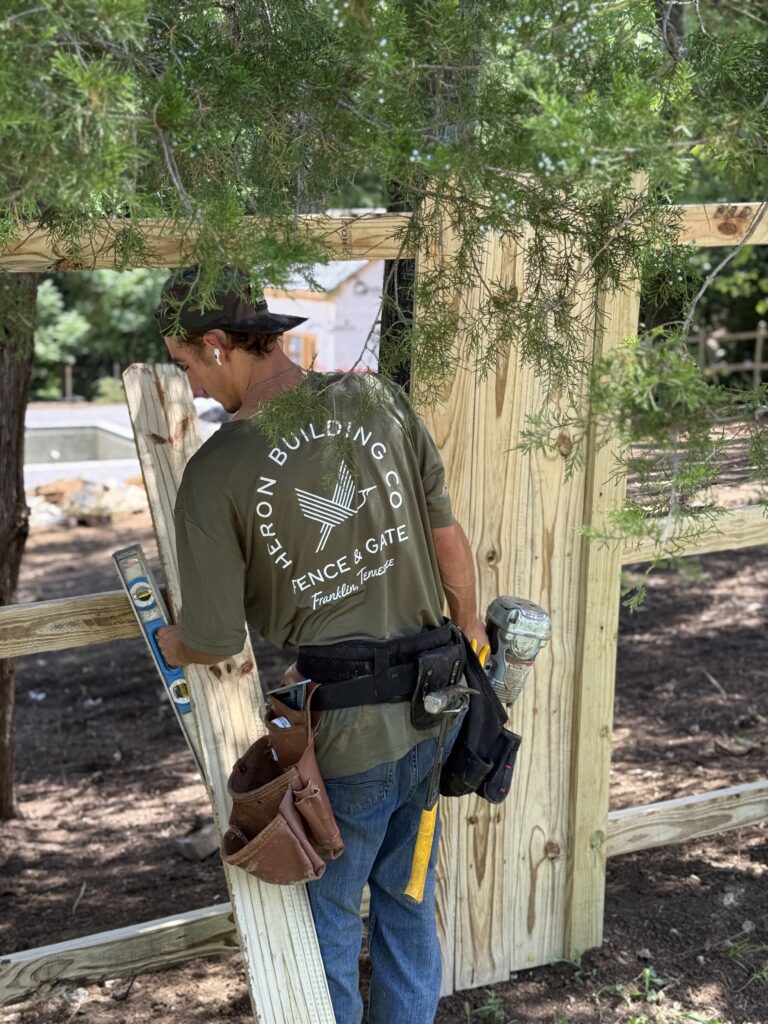
At Heron Building Co, all of our wood fences are custom stick-built on site. We never install prefabricated panels. This allows us to adjust for grade changes, terrain, property lines, and design details that panel fences simply can’t accommodate.
Posts, Rails, and Pickets Explained
Fence Posts
- Standard size: 4×4 posts
- Set in high-strength concrete
- Proper depth for long-term stability
Fence posts are the foundation of your fence. If the posts fail, the fence fails. Concrete-set posts are critical for durability, especially with Middle Tennessee’s clay soil.
Fence Rails
- Standard size: 2×4 rails
- Installed based on fence height and style
Rails provide structure and support for the pickets and help prevent warping and sagging over time.
Fence Pickets
- Standard thickness: 5/8 inch
- Upgraded option: 3/4 inch pickets
Thicker pickets offer increased durability, better resistance to warping, and a more substantial, high-end feel.
Fasteners & Installation Methods
We use high-quality ring-shank galvanized nails, installed with powered nail guns. This allows the nails to countersink into the wood, which improves holding power and reduces the chance of boards backing out over time.
This attention to detail is one of the things that separates a professional wood fence contractor from a budget installer.
Privacy, Semi-Privacy, and Farm Fences: What’s the Difference?
Wood fences generally fall into three main categories, each serving a different purpose.
Privacy Wood Fences
Privacy fences are designed to block visibility and create a secluded outdoor space.
Common uses:
- Backyards
- Pools
- Urban or suburban lots
Typically 6–8 feet tall, privacy fences can be built in vertical or horizontal styles.
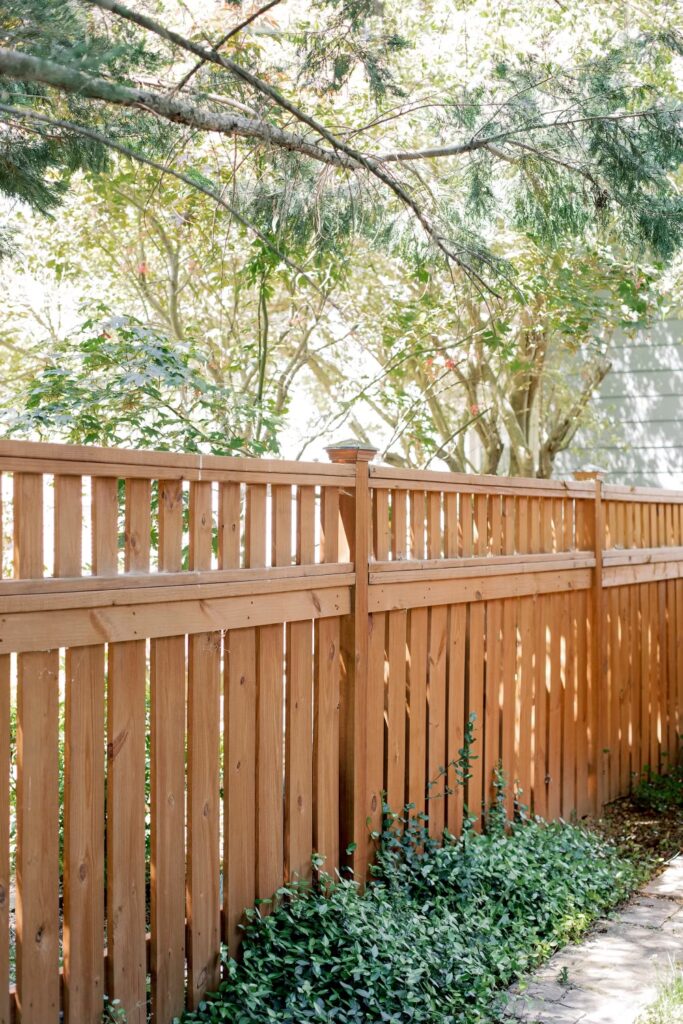
Semi-Privacy Wood Fences
Semi-privacy fences allow airflow and partial visibility while still defining space.
Popular for:
- Side yards
- Decorative boundaries
- Transitional spaces
These fences balance openness with structure.
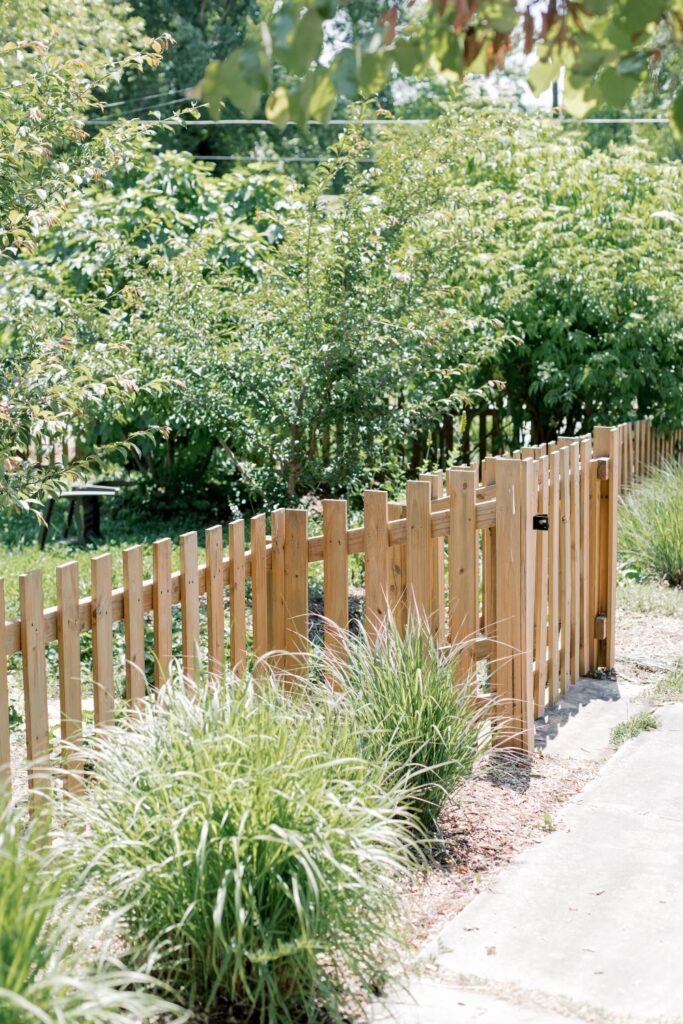
Farm & Ranch-Style Wood Fences
Farm fences are more open and decorative, often used on larger properties.
Common uses:
- Acreage
- Driveway entrances
- Property lines
They’re functional, timeless, and visually light.
Common Wood Fence Styles
Because wood fences are custom-built, the design options are nearly endless. Some of the most popular styles include:
Standard Dog-Ear Privacy Fence
A classic vertical privacy fence with dog-eared pickets.
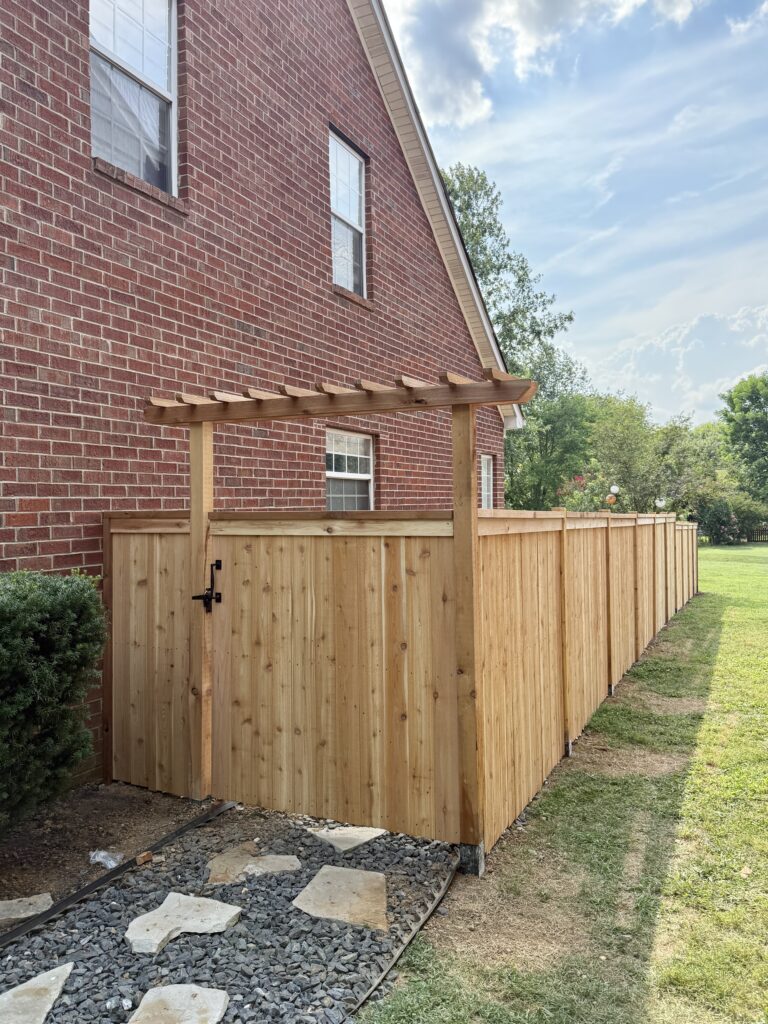
Cap and Trim Fence
Adds a top cap and trim board for a more finished, upscale look.
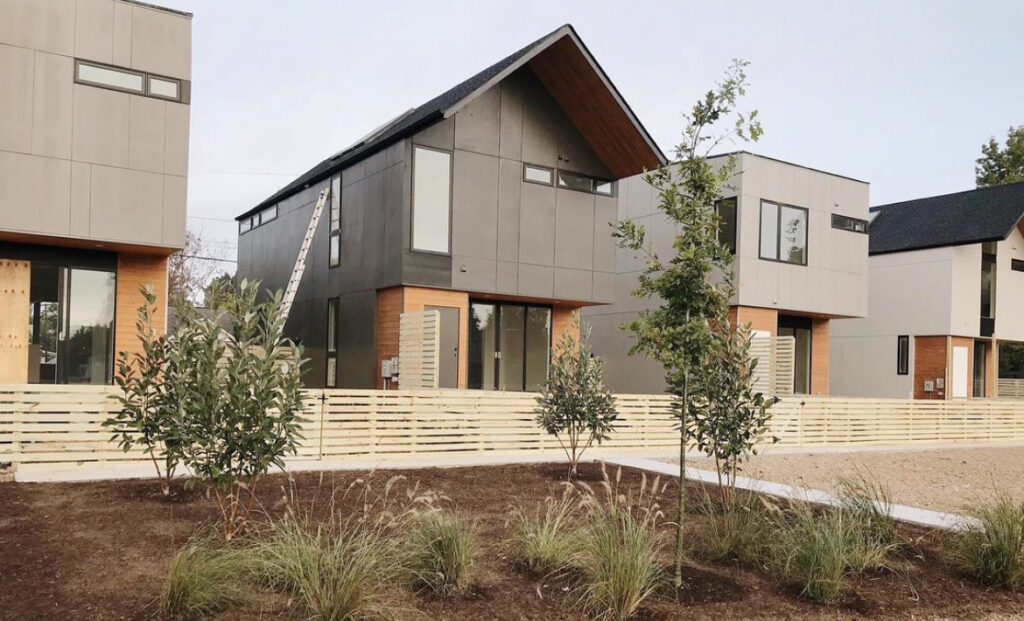
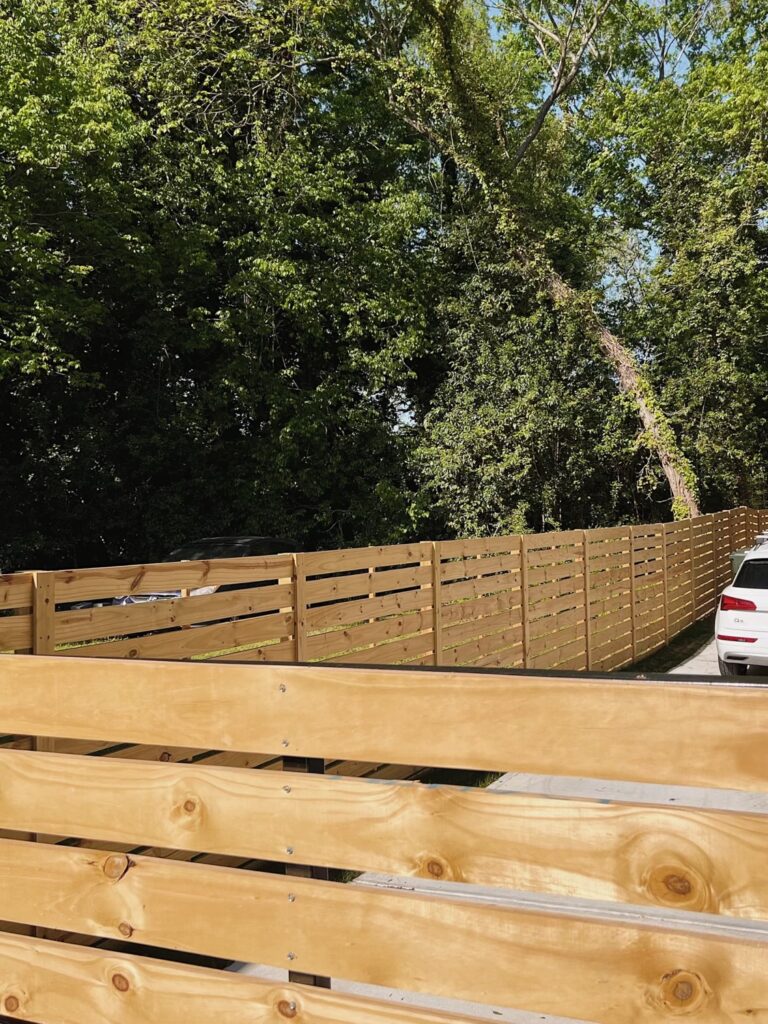
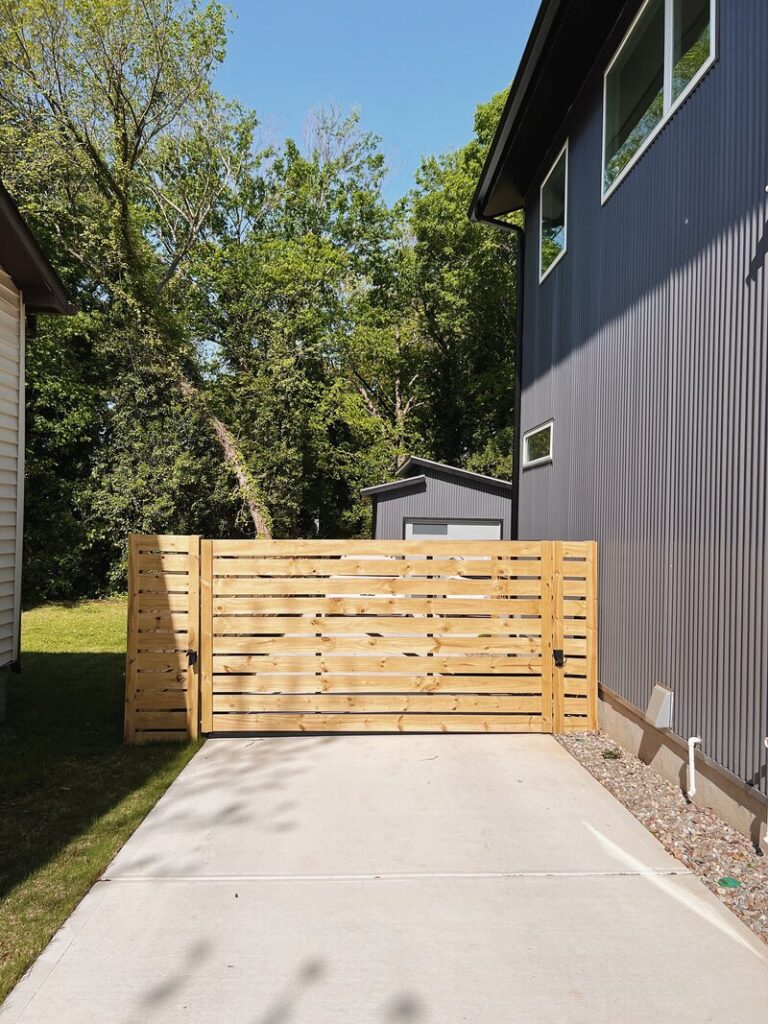
Horizontal Wood Fence
Modern design with horizontal boards, popular for contemporary homes.
Lattice-Top Fence
Privacy with a decorative lattice section at the top.
Spindle-Top Fence
Adds visual interest while maintaining structure.
3-Rail & 4-Rail Farm Fence
Open and timeless, sometimes paired with wire.
Crossbuck Fence
Decorative and classic for rural or estate properties.
Wood Gates: Standard and Custom Options
Gates are one of the most important and meticulous parts of a wood fence.
Standard Wood Gates
- Walk gates: commonly 48″ wide
- Double gates: commonly 8′ wide (or larger for equipment access)
These gates are ideal for everyday access, lawn equipment, and backyard entry.
Wood Gates with Exposed Metal Frames
For longevity, we often recommend adding a custom welded steel or aluminum frame to the back of the gate. This prevents sagging and significantly extends the life of the gate.
Custom Walk Gates
Our custom walk gates are shop-built and designed for high-end applications. These often include:
- Internal steel frames
- Welded hinges
- Premium hardware
They’re commonly used between stone columns or at front-yard entry points where aesthetics matter just as much as function.
Custom Wood Fences & Architectural Materials
For clients looking beyond standard options, we also design and install custom wood fences using architectural materials such as:
- Thermally modified wood
- Hardwood species
- Cedar tongue-and-groove
- Composite
These fences are fully custom and designed to integrate with high-end landscapes and architecture.
Why Staining & Sealing Your Wood Fence Matters
Staining or sealing your wood fence is one of the best ways to protect your investment and we recommend it for every wood fence.
Benefits include:
- Protection against moisture
- Reduced cracking and warping
- Slower aging and graying
- Extended lifespan
Because pressure-treated wood contains moisture, pine fences need 4–6 weeks to dry before staining or sealing. Applying stain too early can trap moisture and cause issues down the line.
The Wood Fence Installation Process (Start to Finish)
We believe there should be no mystery behind your fence installation.
Free On-Site Estimates
We start with a complimentary site visit where we:
- Measure your property
- Review layout options
- Discuss materials and styles
- Answer questions
Design Considerations
When designing your fence, we consider:
- Privacy needs
- Lot size and orientation
- Purpose (pets, children, security, aesthetics)
- Gates and access points
Codes, HOAs, and Permits
At Heron we:
- Locate property lines
- Call 811 to mark underground utilities
- Help obtain required permits
- Help with HOA approval when needed
Many neighborhoods in Nashville, Franklin, and Brentwood have HOA requirements. Getting approval upfront avoids delays, fines, or rework.
Installation & Inspection
Our experienced team handles every step of the installation. We:
- Prepare and level the site
- Install posts, panels, and gates according to estimate drawing
- Ensure structural integrity and proper alignment
- Conduct a final walkthrough with you
- Confirm the fence meets your expectations
- Inspect all gates and hardware
- Discuss maintenance tips and answer any remaining questions
This ensures you’re fully satisfied with your new fence before we consider the project complete.
Wood Fence FAQ’s
How high can my fence be?
In most areas of Nashville, it is fairly standard that you can build up to 8′ high starting at the front of your house and 42″ high between the house and the road. If you are in a historic area, it’s especially important to check with your Architectural Committee for all regulations.
Do I need a permit to build wood fences in Nashville?
Check with your local authorities, as requirements vary around Middle TN. Some areas require permits for fence installation, but if you are in an HOA neighborhood, you will most likely only need HOA approval.
How do I maintain my wood fence?
Maintaining a wood fence is simple with a little routine care. We recommend staining or sealing your fence after installation and reapplying as needed to protect against moisture, sun exposure, and aging. Occasional cleaning and checking for loose boards or hardware will help extend the life of your fence.
What type of wood is best for my fence?
The best wood for your fence depends on your goals, budget, and how you plan to use your property. Both pressure-treated pine and cedar perform well in Middle Tennessee—pine offers a strong, cost-effective option, while cedar provides a more refined look with long-term durability. During your on-site estimate, we’ll help you compare both and choose what makes the most sense for your home.
Why Work With a Professional Wood Fence Company
Choosing the right wood fence company matters. A quality fence should last for years, not just look good on day one.
Working with an experienced wood fence contractor ensures:
- Proper installation
- Code compliance
- Long-term durability
- Clear communication
You can learn more about our full range of services here:
👉 Fencing Services in Franklin
Or explore our dedicated page for materials and designs:
👉 Wood Fences
Schedule a Free Wood Fence Estimate
If you’re considering wood fences in Franklin or wood fences in Nashville, we’d love to help.
We’re here to educate, guide, and build a fence that fits your property and your lifestyle—from start to finish.
👉 Schedule your free estimate today and let’s talk through your options.


Comments +